
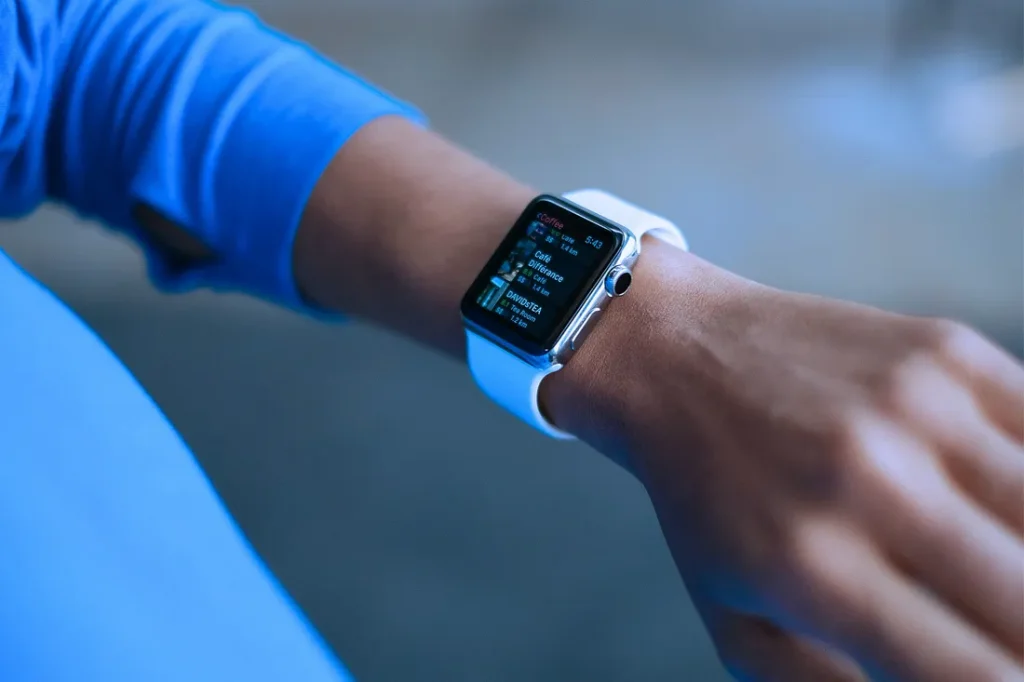
The healthcare landscape is rapidly shifting, and wearable medical devices are at the center of this transformation. No longer confined to consumer fitness trackers, today’s wearable medical devices are reshaping how clinicians monitor patients, payers manage costs, and medical device companies deliver value in an increasingly digital ecosystem.
Here, we explore the four strategic use cases where wearable medical devices are making the most significant impact—Monitoring, Screening, Detection, and Prediction—and what they mean for medical device leaders navigating innovation, regulation, and market adoption.
Understanding these opportunities now will position your company to lead, not follow, in the next wave of digital health.
Health Conditions That Warrant a Wearable Medical Device
Wearable medical devices are not one-size-fits-all. Different conditions call for different sensing, monitoring, and alerting capabilities. The health conditions that most often warrant a wearable device share a common thread: they benefit from continuous data outside the clinic, early warning of change, or long-term management that periodic visits cannot provide. The most established include:
- Diabetes. Continuous glucose monitors track glucose in real time, supporting both type 1 and, increasingly, type 2 and pre-diabetic management.
- Cardiac arrhythmia and atrial fibrillation. Smartwatch and patch-based ECG wearables screen for and detect irregular rhythms, flagging undiagnosed AFib that raises stroke risk.
- Heart failure. Wearables tracking heart rate variability, respiratory rate, and activity can predict decompensation days before symptoms appear, enabling early intervention.
- Epilepsy. Seizure-detection wearables use accelerometer and electrodermal sensors to detect seizure activity and alert caregivers in real time.
- COPD and respiratory conditions. Continuous respiratory and oxygen-saturation monitoring supports remote management and reduces avoidable hospitalizations.
- Hypertension. Optical and cuffless blood-pressure wearables enable continuous tracking for a condition that affects a large share of adults.
- Sleep disorders. Wearables that track movement, heart rate, and oxygen levels can help identify sleep apnea and other disruptions that often go undiagnosed.
- Chronic disease management broadly. Remote patient monitoring wearables support conditions from kidney disease to post-surgical recovery, wherever continuous data improves outcomes.
What these conditions share is that continuous, wearable-collected data changes care from reactive to proactive. The four strategic use cases below, monitoring, screening, detection, and prediction, map onto exactly these conditions.
Types of Wearables and What They Do
Wearable type | Example | What it does |
Continuous glucose monitor | Dexcom, Abbott Libre | Real-time glucose tracking for diabetes |
ECG smartwatch / patch | Apple Watch ECG, iRhythm Zio | Screens for and detects arrhythmia and AFib |
Seizure-detection wearable | Epilepsy alert bands | Detects seizure activity, alerts caregivers |
Blood-pressure wearable | Optical / cuffless monitors | Continuous hypertension tracking |
Respiratory / SpO2 wearable | Pulse oximetry patches | Monitors oxygen and respiration for COPD |
Multi-sensor RPM wearable | Remote monitoring patches | Tracks vitals for chronic disease management |
MONITORING: Empowering Continuous Care
At its core, monitoring is about capturing continuous, real-time data from patients outside traditional clinical settings. Wearable medical devices can track everything from heart rate and blood oxygen levels to glucose fluctuations and sleep patterns. This constant stream of information gives clinicians a richer, more dynamic picture of patient health than periodic check-ins ever could.
Why Monitoring Matters in Healthcare
Continuous monitoring transforms care delivery by shifting it from reactive to proactive. Instead of waiting for a patient’s condition to deteriorate, providers can spot early warning signs, intervene sooner, and prevent costly complications. This immediacy directly supports value-based care models, where outcomes and cost savings matter as much as the treatment itself.
Remote patient monitoring (RPM) has already demonstrated the ability to reduce hospital readmissions and improve chronic disease management, particularly for conditions such as heart failure, diabetes, and COPD. For payers and providers, the advantage of monitoring wearable medical devices is clear: they reduce risk, cut costs, and improve quality of life.
Strategic Implications for Medical Device Companies
For CEOs and decision makers, the monitoring use case presents both a near-term opportunity and a long-term competitive advantage. Adoption is already underway, and regulatory pathways are relatively mature compared to more experimental applications of wearable medical devices. Companies that can seamlessly integrate monitoring devices into a medical device software platform are better positioned to deliver not just hardware but a connected ecosystem of care.
The ability to unify wearable data with electronic health records, decision-support tools, and AI analytics will increasingly distinguish leaders from companies falling behind in the race for innovation. Rather than being perceived as standalone gadgets, monitoring wearable medical devices become part of a broader digital health innovation strategy.
An Example in Action
Consider continuous glucose monitors (CGMs). What began as niche devices for patients living with type 1 diabetes is now widely used across populations, with integration into smartphone apps and clinical dashboards.
This expansion illustrates how monitoring wearable medical devices can rapidly move from specialized tools to mainstream components of chronic disease management.
SCREENING: Expanding Access to Preventive Care
Screening with wearable medical devices goes beyond individual patient monitoring. It enables healthcare providers to gather data at scale, identifying risk factors across populations that might otherwise go undetected. Devices capable of tracking arrhythmias, respiratory patterns, or sleep disruptions can serve as early warning systems for conditions that often remain hidden until they become serious.
Why Screening Matters in Healthcare
The power of wearable-enabled screening lies in its ability to expand access to preventive care. Traditional screening can require in-person visits, specialized equipment, and high costs. These are all barriers that prevent many patients from getting evaluated. Wearable medical devices reduce these barriers by offering cost-effective, at-home data collection.
For healthcare systems and payers, using wearable medical devices for screening enables earlier identification of at-risk individuals, more efficient resource allocation, and reduced reliance on expensive acute interventions. For patients, it means access to tools that can flag issues long before they require hospital care.
Strategic Implications for Medical Device Companies
For CEOs, screening represents an opportunity to align product development with public health priorities. Devices that can screen at scale are highly attractive to health systems and payers seeking to reduce long-term costs through early disease detection. However, screening carries its own set of challenges; chief among them is regulatory validation to prove accuracy and avoid false positives.
The ability to integrate screening functionality into a medical device software platform offers another layer of differentiation. By combining wearable-collected data with analytics and clinician oversight, companies can ensure their devices deliver meaningful insights that improve decision-making.
An Example in Action
One great example of screening functionality in wearable medical devices is the smartwatch-based detection of atrial fibrillation (AFib). Millions of people live with undiagnosed AFib, which dramatically increases stroke risk.
Wearable-enabled screening has already proven effective at identifying potential cases, prompting further clinical evaluation and intervention. This real-life example shows how consumer-friendly form factors can double as scalable clinical screening tools, blurring the line between personal technology and medical device innovation.
DETECTION: Enhancing Clinical Decision-Making
Detection takes monitoring and screening using wearable medical devices one step further by recognizing specific health events or abnormalities in real time. Wearable medical devices designed for detection don’t just log data; they actively identify patterns that indicate a clinical issue requiring immediate attention.
Why Detection Matters in Healthcare
The ability to detect acute episodes—such as arrhythmias, epileptic seizures, or respiratory distress—has the potential to dramatically improve patient safety.
Timely detection can trigger emergency responses, prevent hospitalizations, and even save lives. In addition, detection devices provide clinicians with objective, continuous evidence that supports diagnosis and treatment planning, reducing reliance on self-reported symptoms.
Strategic Implications for Medical Device Companies
For CEOs, the detection use case offers a competitive differentiator, but one that comes with higher stakes.
Devices marketed for detection often require clinical-grade validation and clearances through SaMD regulatory pathways, which demand rigorous testing and evidence. Companies that succeed in this arena can establish themselves as trusted partners to healthcare providers and payers, thereby enhancing their reputation and credibility.
Integration with a medical device software platform is critical here. Data from detection wearables must flow seamlessly into clinical workflows, where it can be combined with decision-support algorithms or AI analytics. This transforms detection from a standalone function into a tool that empowers physicians to act with confidence and precision.
An Example in Action
One compelling example in this realm is seizure detection wearables.
By utilizing accelerometer and electrodermal activity sensors, these devices can detect seizure activity in patients with epilepsy and immediately alert caregivers or clinicians. Beyond improving individual safety, these detection systems also generate valuable datasets that can inform treatment optimization and drug development.
PREDICTION: Unlocking the Future of Personalized Medicine
Prediction represents the most forward-looking application of wearable medical devices. By leveraging AI and machine learning, predictive systems analyze data streams from multiple sensors to anticipate health issues before symptoms appear.
This could mean identifying the likelihood of a heart failure exacerbation days in advance, or forecasting which patients are most at risk for hospital readmission.
Why Prediction Matters in Healthcare
Predictive capabilities have the potential to transform healthcare from a system of intervention to one of prevention. Instead of responding to crises, clinicians and patients could proactively manage health with personalized care plans tailored to risk profiles. This approach aligns closely with the goals of precision medicine and supports the long-term shift toward value-based care models, where preventing disease progression is as important as treating it.
For payers, predictive wearable medical devices promise significant cost savings by reducing avoidable hospitalizations. For patients, they offer peace of mind and empowerment through earlier interventions and more personalized treatment pathways.
Strategic Implications for Medical Device Companies
For CEOs and decision makers, prediction represents a long-term investment opportunity. Unlike monitoring or screening, predictive use cases are still emerging, with regulatory frameworks and validation standards evolving rapidly. Companies that invest in predictive capabilities today can establish themselves as leaders in the digital health innovation space tomorrow.
However, success depends on more than just developing advanced sensors. It requires integrating wearable data into a robust medical device software platform capable of handling vast data streams, applying AI models, and delivering actionable insights to both clinicians and patients. Companies that achieve this will not only deliver innovative devices but also shape the future of healthcare delivery.
An Example in Action
A growing body of research is exploring predictive models for heart failure.
By analyzing data such as heart rate variability, respiratory rate, and activity levels, wearables can predict the risk of decompensation before symptoms appear, allowing for medication adjustments or lifestyle interventions that prevent costly hospitalizations.
This example illustrates how predictive wearables could fundamentally shift the industry toward a more proactive, patient-centered model of care.
Strategic Implications for Medical Device Companies
The four applications of wearable medical devices do not carry the same level of maturity or market readiness.
Monitoring and detection represent near-term opportunities, meaning that adoption is already underway, reimbursement pathways are being established, and regulatory requirements are well defined. Screening and prediction, on the other hand, represent long-term plays that can differentiate a company but require more investment, validation, and patience.
Prioritizing the Use Cases
- Monitoring: Immediate value, proven reimbursement, broad adoption.
- Detection: Strong differentiator, but requires rigorous validation and regulatory clearance.
- Screening: Promising for population health, but faces accuracy and regulatory challenges.
- Prediction: High-potential frontier, with AI and machine learning driving future breakthroughs.
Navigating the Regulatory Landscape
For decision makers at medical device companies, regulatory strategy is as critical as technical innovation.
Detection and prediction, in particular, fall under SaMD regulatory pathways and require robust clinical evidence. Companies that view regulatory planning as a strategic advantage rather than a hurdle will be better positioned to scale their solutions globally.
Building the Right Technology Ecosystem
Wearable medical devices deliver their most significant value when integrated into a broader medical device software platform.
Without a unifying ecosystem, data remains fragmented and underutilized. By developing or partnering on software platforms, companies can ensure that their wearable data is integrated with EHRs, AI analytics, and decision-support tools to generate actionable insights for clinicians and patients.
Aligning with Market and Payer Incentives
Healthcare economics is shifting toward value-based care, where preventing disease progression and reducing hospitalizations are paramount.
Monitoring and prediction directly support these goals, aligning CEOs with payer priorities. Positioning wearable solutions in this context strengthens the business case and opens the door to reimbursement and adoption.
The Leadership Imperative
Ultimately, wearables represent more than just a product trend. They are a strategic lever for redefining how medical device companies deliver value. CEOs must decide:
- Where to invest now for short-term returns.
- Where to place bets for long-term industry leadership.
- How to align technology, regulation, and partnerships to capture market share.
The companies that act decisively today will not only ride the wave of digital health innovation but also shape the future of healthcare itself.
Shaping the Future of Wearables in Healthcare
The rise of wearable medical devices is reshaping the healthcare landscape. From monitoring chronic conditions to predicting future risks, the four main use cases—Monitoring, Screening, Detection, and Prediction—offer medical device companies distinct pathways to growth and differentiation.
For CEOs and decision makers, the real challenge lies in striking the right balance between immediate opportunities and long-term ventures. Monitoring and detection are proven, actionable, and revenue-generating today. Screening and prediction, while still maturing, offer the potential to redefine patient care and deliver a lasting competitive edge.
Regardless of which path you prioritize, success requires more than just hardware innovation. The future belongs to companies that can integrate wearable data into a connected medical device software platform, navigate evolving SaMD regulatory pathways, and align their strategies with value-based care and payer incentives.
At Sequenex, we help medical device leaders make these strategic shifts by building versatile software platforms, ensuring regulatory readiness, and unlocking the full potential of wearables to transform healthcare.
For companies moving from strategy to build, the software platform behind a wearable often determines how fast it reaches the market. Sequenex provides that foundation through its medical device software development and connected device platform services, built under an ISO 13485-certified quality management system.
Connect with us today to explore how your company can integrate wearable medical devices into a robust medical device platform to unlock new opportunities in monitoring, screening, detection, and prediction. Let Sequenex help you lead the next wave of digital health innovation.
