SOFTWARE AS A MEDICAL DEVICE · IEC 62304 · IMDRF


SaMD Development — Software as a Medical Device, Built for Regulatory Approval

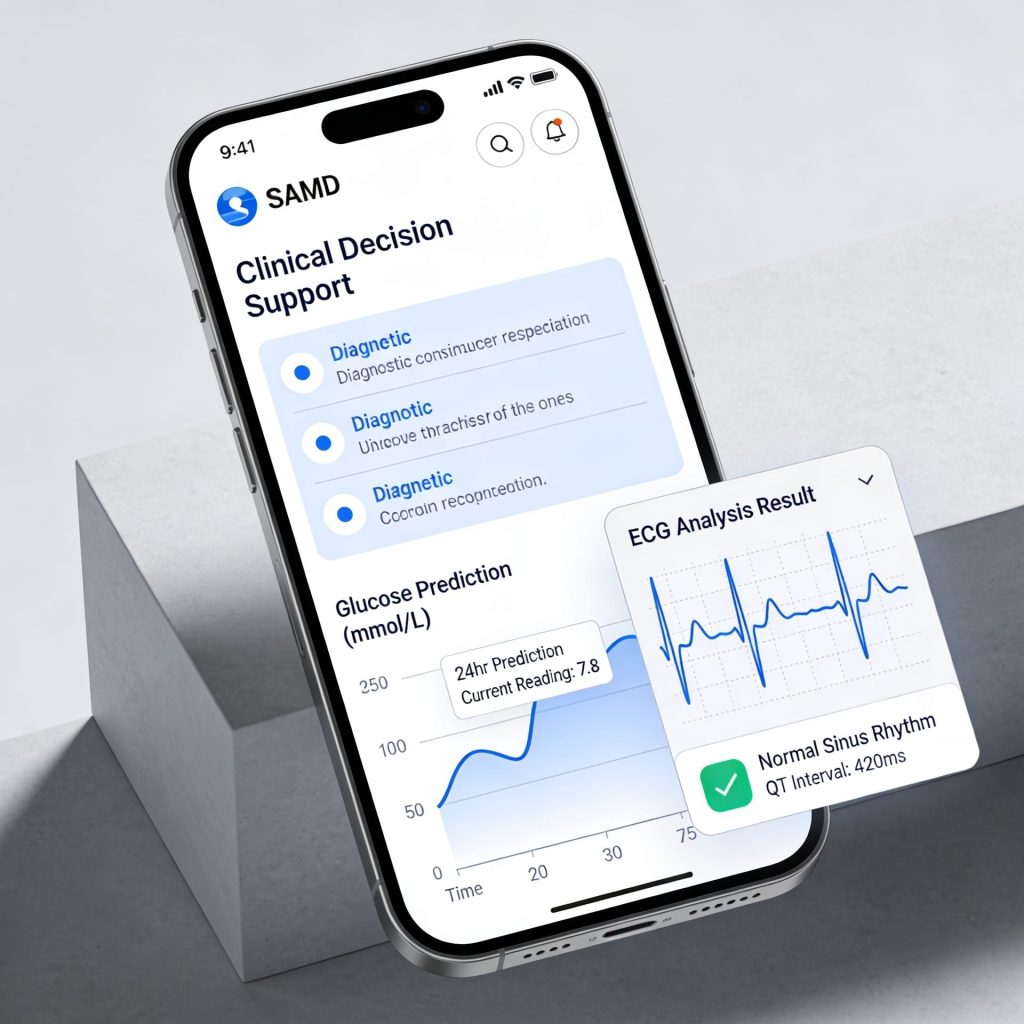
Software as a Medical Device (SaMD) performs medical functions , diagnosis, treatment, monitoring, prediction,  without being part of a hardware medical device.
Sequenex supports SaMD programs across a range of IMDRF risk classifications and product maturity stages, engineered under IEC 62304 within an ISO 13485-certified QMS, with the submission package structured when engineering is complete.

End-to-End SaMD Development for All Risk Classes

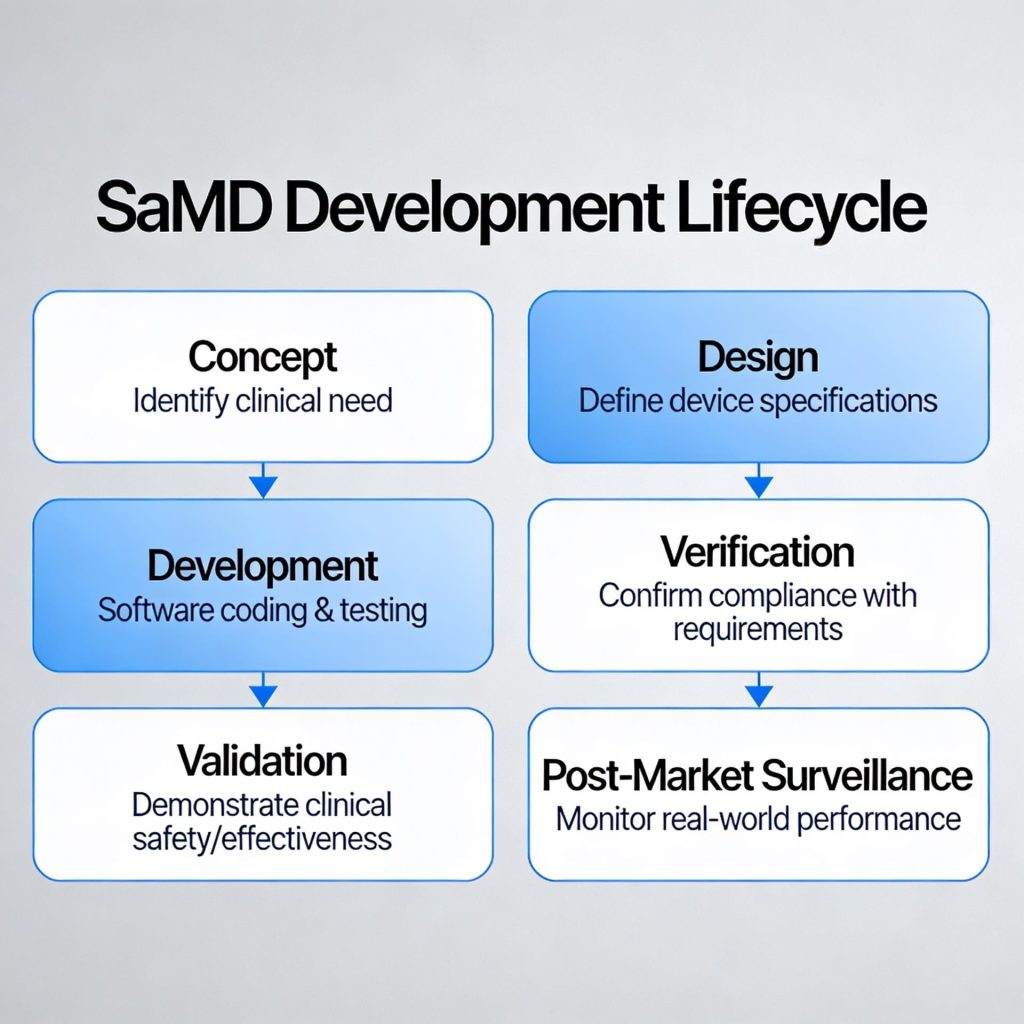
SaMD development requires more than software engineering. Engineering, risk management support, verification, validation, cybersecurity, and software documentation aligned with the regulatory strategy defined by your quality and regulatory teams
  • 01

    SaMD Engineering & Architecture

    Mobile, cloud, and AI/ML engineering specifically built for SaMD, with architecture, documentation, and validation strategies aligned to the product's intended use, risk profile, and regulatory pathway.
    • Native iOS and Android apps where the platform difference matters; cross-platform where it doesn’t
    • Cloud-native architectures designed for clinical data volume, HIPAA-ready from day one
    • Component architecture that lets a single codebase serve multiple product configurations
    • Software Development Kits (SDKs)  for interoperability with other devices in the clinical ecosystem

  • 02

    Engineering Aligned to Your Regulatory Strategy

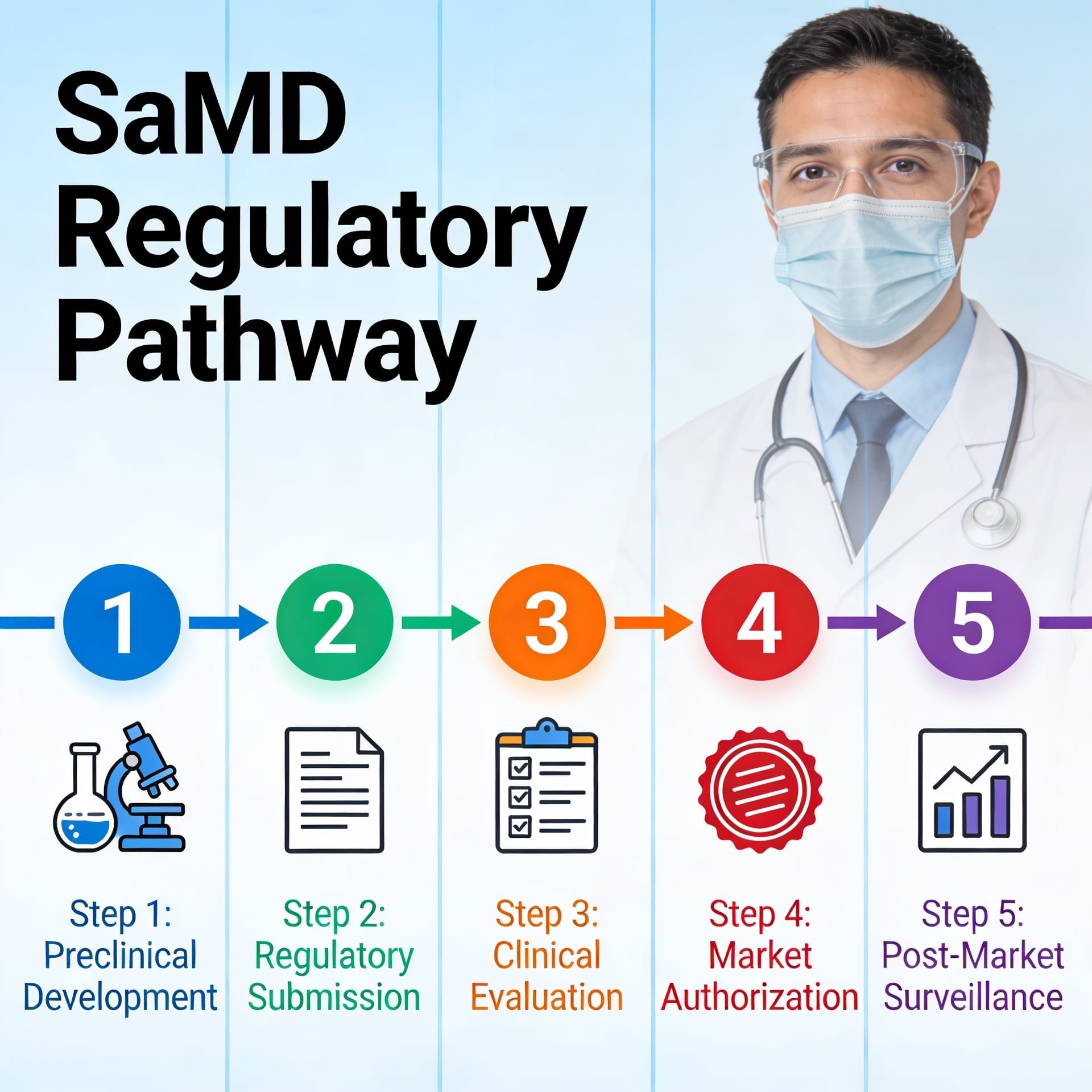
    SaMD engineering that aligns with your regulatory team's classification, pathway decisions, and submission strategy: IMDRF risk class, IEC 62304 software safety class, and lifecycle stage, all reflected in how we build.
    • Engineering calibrated to the IMDRF risk class and IEC 62304 software safety class your regulatory team has assigned
    • Documentation depth, validation rigor, and architecture decisions sized to your pathway — not over-engineered, not under-documented
    • Tight working relationship with your in-house or consulting regulatory and quality lead, with engineering deliverables that feed directly into their submission package
    • Adjustments handled cleanly as your intended use evolves — from clinical study to commercial release — without restarting the engineering work
    • Pre-submission preparation supported on the engineering side: requirements traceability, V&V evidence, and software documentation in the formats your regulatory team needs
  • 03

    Clinical Validation & V&V

    Verification and validation structured for SaMD, including software V&V against IEC 62304 requirements, performance validation against clinical accuracy targets, and engineering support for your team's clinical and usability validation work.
    • Software verification traced cleanly from IEC 62304 requirements through every test case
    • Software validation aligned to intended use, user needs, intended users, and regulatory objectives.
    • Engineering support for the human factors and usability validation of your team’s designs — execution against your HF/UE protocol, not authorship of it
    • Performance evaluated against predefined acceptance criteria and study objectives established by the product team
    • V&V documentation produced in formats your regulatory team can include directly in submission
  • 04

    Submission-Ready Documentation

    Engineering deliverables, software documentation, V&V records, risk artifacts, and traceability matrices are produced as engineering happens and structured to integrate directly with your quality team's DHF.
    • Software documentation calibrated to IEC 62304 Class A, B, or C requirements. Software documentation and engineering deliverables structured to support 510(k), De Novo, and PMA submissions.
    • Subsystem-level cybersecurity artifacts—including SBOMs, threat models, and vulnerability assessments for our software—to support FDA Section 524B cybersecurity requirements and sponsor regulatory submissions.
    • Risk management files updated each sprint, not reconstructed before submission
    • Engineering architectures designed to support future AI/ML model updates and regulatory change management strategies.
divider-homepage1

WHY SEQUENEX


How Sequenex SaMD Engagements Reach Submission Faster

Medical software products rarely stay in a single stage for long. A platform that begins as a research or clinical-study tool may later expand into patient-facing software, clinical decision support, or AI-enabled products. As intended use evolves, the required level of engineering rigor evolves with it. We align architecture, documentation, verification, and traceability to the product’s current stage while creating a foundation that can support future regulatory and product requirements—helping customers build on prior work instead of starting over.When risk class and regulatory pathway get decided mid-project, the architecture decisions that locked in during the first two months become expensive to undo. We do that decision work before code gets written — so the engineering, the documentation cadence, and the validation depth all match the regulatory reality from day one.

Six to nine months of regulated software scaffolding, already built. Native iOS and Android apps, patient and clinician dashboards, secure cloud – all engineered under IEC 62304 inside an ISO 13485 QMS. Your SaMD inherits the regulatory groundwork rather than recreating it, which typically reduces development time and accelerates submission readiness.

Class I, Class II, and Class III software products require fundamentally different levels of risk management, verification, validation, and documentation. The same applies across the product lifecycle: prototype, MVP, clinical study, and commercial release each call for different documentation depth and engineering trade-offs. We calibrate to both axes: your product’s current FDA class and its current lifecycle stage, so we’re not over-engineering low-risk early prototypes into delay, and not under-documenting high-risk commercial software into rework.

Discuss Your SaMD Project
an-imdrf-riskclass-matrix

Built for Scale, Designed for Compliance

Every SaMD program is built under our ISO 13485-certified QMS, with risk management, clinical validation, and submission documentation aligned to current IMDRF, FDA, and EU MDR expectations.

Sequenex develops software, documentation, verification evidence, cybersecurity artifacts, and engineering deliverables that support the manufacturer's regulatory strategy and submission activities.

IMDRF Coverage

Class I, II, III, IV SaMD
Advanced analytics
FDA Pathways510(k), De Novo, PMA
Custom branding
Standards AlignmentIEC 62304, ISO 13485, ISO 14971, FDA AI/ML guidance, and current regulatory expectations
Storage integrations
AI assistant
Automated reports

Ready to Build SaMD That Clears Submission?

Whether your regulatory team has already mapped the pathway and you need the engineering partner who can execute against it, or you're accelerating an in-flight SaMD program that needs the right software discipline at the right risk class, the conversation worth having is what your software roadmap looks like and where we can compress it. Let's have it.
SaMD and Connected Devices Software Experts
© 2025 Sequenex. All rights reserved.